
We’ve all been there.
You say something with the best intentions. You’re trying to be supportive, inclusive, or encouraging. But the reaction you get isn’t what you expected. Maybe there’s an awkward silence. A forced smile. Or worse—someone pulls away from you entirely.
You meant well. So why did it land so poorly?
This is the gap between impact and intent—and it’s one of the most critical leadership skills that nobody teaches you.
The Myth of “But I Meant Well”
Here’s the uncomfortable truth: your intent doesn’t determine your impact.
You can have the purest motivations in the world, but if your words or actions create harm, confusion, or exclusion, that’s what people will experience. That’s what they’ll remember.
I see this all the time with leaders, entrepreneurs, and change makers who genuinely care about doing right by their teams, their communities, and themselves. They’re working hard. They’re trying to be better. But they’re stuck in a pattern of leading from intent rather than assessing their actual impact.
The result? Miscommunication. Broken trust. Missed opportunities. And the nagging feeling that something’s off, even when you’re doing “all the right things.”
Why This Matters for Every Leader (Not Just Corporate Ones)
You might be thinking, “I’m not a CEO. I don’t manage a team. Does this really apply to me?”
Absolutely.
Leadership isn’t just about job titles. It’s about influence. If you’re a parent, you’re leading. If you’re an entrepreneur building a business, you’re leading. If you’re a coach, consultant, or creative professional, you’re leading every time you show up for a client or collaborator.
And in every one of those relationships, the gap between your intent and your impact shows up.
Consider these scenarios:
- You give feedback to a team member (or family member) thinking you’re being helpful, but they shut down or become defensive.
- You try to create an inclusive environment, but certain people still don’t feel safe to speak up.
- You apologize for something, but the relationship doesn’t repair the way you hoped it would.
These aren’t failures of character. They’re gaps in awareness—and they’re costing you connection, trust, and the results you actually want.
The EQUIP Approach: From Intent to Impact
Bridging this gap requires more than good intentions. It requires a shift in how you see yourself, how you show up, and how you measure success.
This is why understanding impact vs. intent is one of the five pillars in my EQUIP Framework for inclusive leadership and mindset coaching.
Here’s what it looks like in practice:
1. Pause Before You Assume
Before you react defensively to someone’s response, pause. Ask yourself: “What impact did my words or actions have, regardless of what I intended?”
This simple shift moves you from justification to curiosity.
2. Listen to the Feedback (Even When It’s Hard)
When someone tells you that something you said or did hurt them, believe them. Their experience is their reality—and as a leader, your job isn’t to defend your intent. It’s to acknowledge the impact and adjust.
This doesn’t mean you’re a bad person. It means you’re a learning person.
3. Clarify Your Communication
Get specific. Instead of saying “I support diversity,” show how. Instead of assuming people know what you mean, create clarity. Inclusive leadership is built on consistent, intentional communication—not assumptions.
4. Make Repair a Regular Practice
You will make mistakes. Everyone does. What separates good leaders from great ones is the willingness to repair when things go wrong. Apologize meaningfully. Adjust your behavior. And keep moving forward without shame spiraling or giving up.
5. Measure Success by Outcomes, Not Effort
It’s easy to feel good about how hard you’re trying. But real leadership is measured by the environment you create, the trust you build, and the outcomes you achieve. Are people thriving? Do they feel safe? Are you getting the results you want?
If not, it’s time to examine the gap.
Progress Over Perfection
Here’s what I want you to know: You don’t have to get it perfect.
In fact, the pursuit of perfection is one of the biggest obstacles to growth. It keeps you stuck in fear—afraid to try, afraid to fail, afraid to be seen as anything less than flawless.
But real change happens when you choose progress over perfection. When you’re willing to show up, learn, adjust, and keep going—even when it’s messy.
That’s inclusive leadership. That’s personal growth. That’s the work.
What’s Next?
If you’re reading this and thinking, “I want to close this gap. I want to lead with more awareness and impact,” you’re already on the right path.
The EQUIP Framework is designed to help leaders, entrepreneurs, coaches, and change makers like you do exactly that—strengthen your mindset, lead inclusively, and create real, lasting impact without the pressure to be perfect.
Over six private coaching sessions, we’ll work through all five pillars of the EQUIP Framework:
- Empowered People Empower People
- Questioning Bias Creates Growth & Revenue
- Understanding Psychological Safety Unlocks Untapped Potential
- Impact vs. Intent: Why the Difference Matters
- Progress Over Perfection Drives Real Change
This isn’t just about professional leadership. It’s about personal growth that shapes how you show up everywhere in your life.
Ready to do the inner work so the outer impact follows?
Book a Complimentary Consultation and let’s talk about where you are, where you want to be, and how coaching can bridge that gap.
About Dean Rasmussen (he/they)
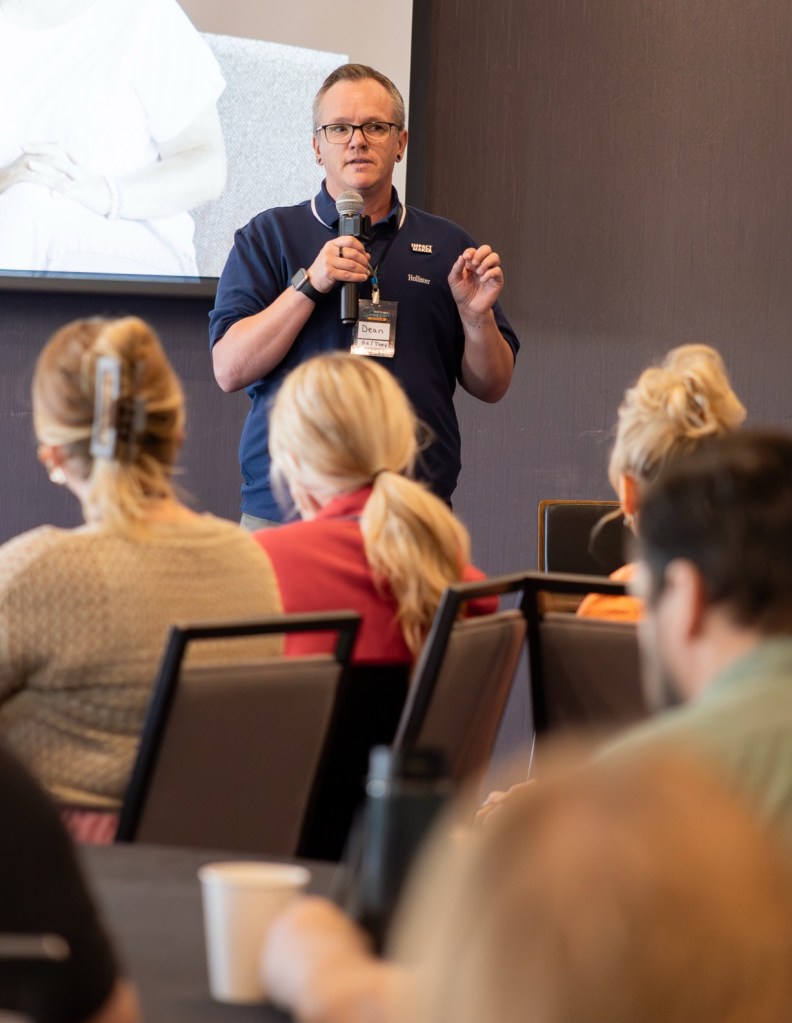
Dean is an Inclusive Leadership & Mindset Coach, HR Consultant, and 2SLGBTQ Professional who helps leaders, entrepreneurs, coaches, and change makers strengthen their mindset and lead inclusively—without the pressure of perfection. With a background in HR, DEI, and organizational culture, Dean knows that policies don’t create change, people do.
Learn more at rasmussencoachingandconsulting.com
Discover more from Rasmussen Coaching and Consulting
Subscribe to get the latest posts sent to your email.
